KRT6A Antibodies

Cytokeratin 6 (CK6) is a protein encoded by the KRT6 gene on chromosome 12q13.13 in humans. It typically consists of around 564 amino acids and has a molecular weight of approximately 62 kDa. Post-translational modifications of CK6 include phosphorylation, glycosylation, and the formation of disulfide bonds, which contribute to its structural stability and functional diversity. CK6 is primarily an intracellular protein, forming intermediate filaments that provide mechanical support and integrity to epithelial cells, particularly in response to mechanical stress or injury. 

It is expressed in various organs and tissues, including the skin, hair follicles, oral mucosa, and nails. The expression of CK6 is tightly regulated, often induced during wound healing or pathological conditions involving epithelial hyperproliferation or inflammation. Research suggests that dysregulation of CK6 expression may be associated with various dermatological disorders, such as psoriasis, epidermolysis bullosa simplex, and palmoplantar keratoderma. Additionally, CK6 expression has been implicated in certain cancers, including squamous cell carcinomas and breast cancer, where it may contribute to tumor progression and invasion.

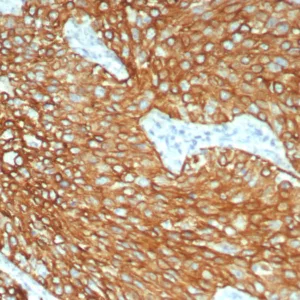
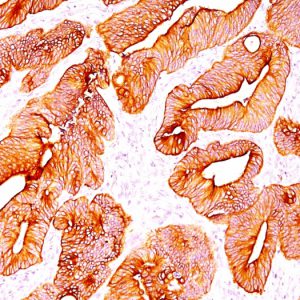
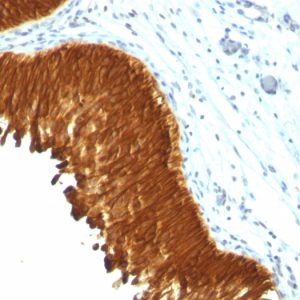
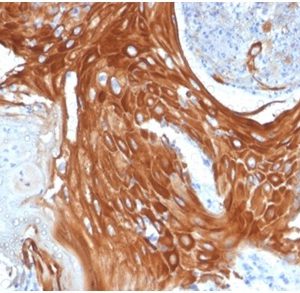
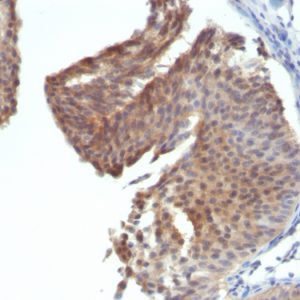
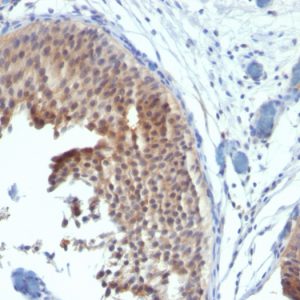
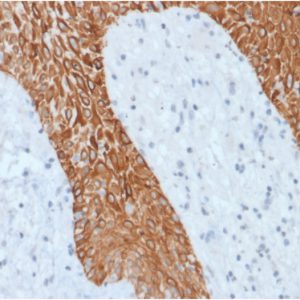
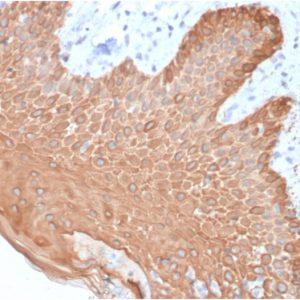
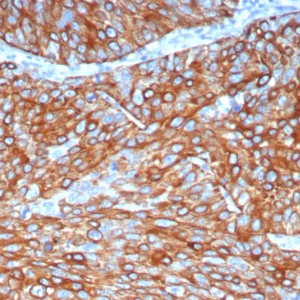
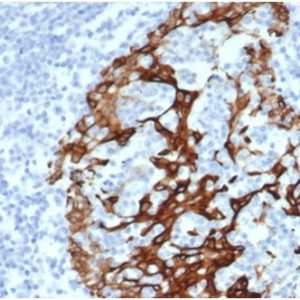
In cancer, the expression of CK6 can provide valuable information about tumor characteristics, disease progression, and patient outcomes. For example, immunohistochemical staining for CK6 is often used in pathological diagnosis to differentiate between different types of tumors and to identify the epithelial origin of malignancies. In breast cancer, CK6/KRT6 expression has been associated with basal-like subtypes, which tend to be more aggressive and have poorer outcomes.

In addition to its diagnostic utility, CK6 expression has also been linked to prognosis in certain cancers. High levels of CK6 expression have been correlated with advanced disease stage, tumor aggressiveness, and poor patient survival in various malignancies. For instance, in head and neck squamous cell carcinoma (HNSCC), elevated CK6 expression has been associated with a higher risk of recurrence and decreased overall survival. Similarly, in breast cancer, CK6 expression has been linked to poorer response to therapy and worse prognosis. Furthermore, in psoriasis and epidermolysis bullosa simplex, CK6 expression patterns can provide diagnostic information and insights into disease severity and progression.

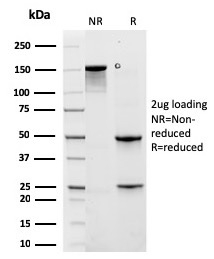
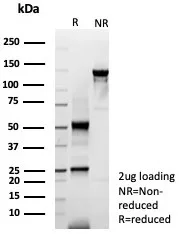
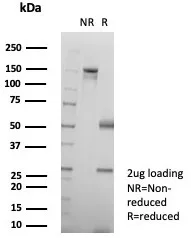
NeoBiotechnologies offers a variety of antibodies against CK6 that have been validated for flow cytometry, immunofluorescence, and immunohistochemistry. Additionally, we hold exclusive rights to CK6 antibodies available for licensing or collaboration [https://www.neobiotechnologies.com/shop/?s=KRT6].

Synonyms

Keratin, type II cytoskeletal 6A, CK-6C|CK-6E|CK6A|CK6C|CK6D|K6A|K6C|K6D|KRT6C|KRT6D|PC3

Research Areas

Apoptosis, Autophagy, Breast Cancer, Cancer, Cardiovascular, Cell Biology, Cellular Markers and Tags, Developmental Biology, Endocrine, Epigenetics, Gastrointestinal Tract, Hypoxia, Immuno Oncology, Immunology, Kidney, Lymphatic, Metabolism, Microbiology, Muscle, Neuroscience, Pancreatic Cancer, Prostate Cancer, Skin, Stem Cell, AKT Signaling, Angiogenesis, Articular Cartilage Extracellular Matrix, B Cell Markers, Basal Cell Marker, BBB VCAM-1 Signaling, Bladder Cancer, Cardiac Stem Cells, Colon Cancer, Colorectal Cancer, Complement System, CTLA-4 blockade immunotherapy, Cytokine Signaling, Defective Intrinsic Apoptosis, Dendritic Cell Marker, Digestion, Endothelial Cell Marker, Hematopoietic Stem Cells, Immune checkpoint, Infectious Disease, Lipid Metabolism, Lung Cancer, MAPK Signaling, Mast Cell Marker, Melanoma, Mesenchymal Stem Cell Differentiation, Mitochondria Marker, Neural Stem Cells, Neuroinflammation, Nuclear Marker, Oncology, Ovarian Cancer, PD-1 blockade immunotherapy, Signal Transduction, Stem Cell Differentiation, Transcription Factors

KRT6A

PARTNERSHIP OPPORTUNITIES

NeoBiotechnologies holds Exclusive rights to 10,000 recombinant and hybridoma antibody products, available for Licensing or Collaboration.

LETS TALK