CD22 Antibodies

CD22, also known as B-cell receptor-like protein (BL-CAM), has a molecular weight of approximately 135 kDa and is predominantly expressed on the surface membrane of B-cells. This transmembrane protein undergoes posttranslational modifications, including glycosylation, which plays a role in its structure and function.

The primary role of CD22 is to act as a B-cell co-receptor involved in modulating B-cell activation and immune responses. CD22 is recognized for its ability to bind sialic acid residues on glycoproteins, acting as a negative regulator of B-cell receptor signaling. In other words, CD22 helps maintain immune tolerance and prevent excessive immune responses by inhibiting B-cell activation.

CD22 is expressed on the surface of B cells throughout various developmental stages, with particularly high levels observed in mature B cells. It is present in lymphoid tissues, such as the spleen and lymph nodes, where B-cell activation and immune responses are prevalent. The expression of CD22 is modulated during B-cell development and in response to different signaling events, allowing for fine-tuning of B-cell responses.

In human health and disease, CD22 plays a crucial role in regulating immune tolerance and preventing autoimmunity. Dysregulation of CD22 function has been implicated in autoimmune disorders, such as systemic lupus erythematosus (SLE) and rheumatoid arthritis. Additionally, CD22 is a target for therapeutic interventions in B-cell malignancies, including non-Hodgkin lymphomas and B-cell acute lymphoblastic leukemia (B-ALL).

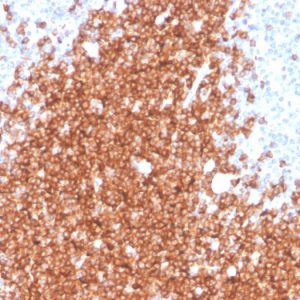
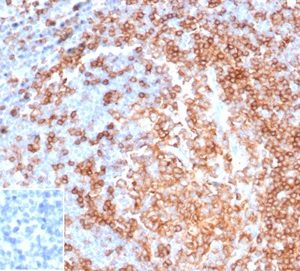
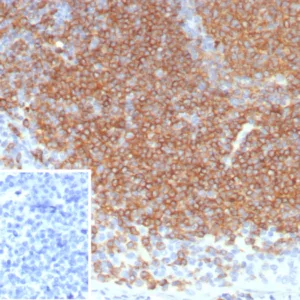
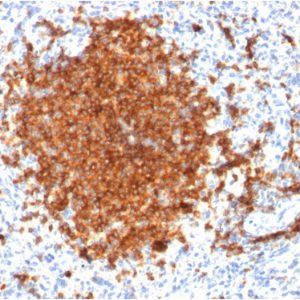
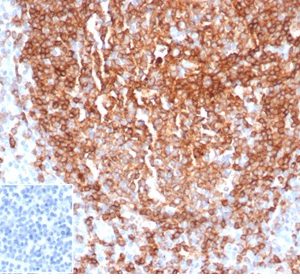
Antibodies targeting CD22 have significant clinical applications. In diagnostics, CD22 antibodies are utilized for immunohistochemistry (IHC) and flow cytometry to detect and quantify CD22 expression in tissues and cells. These antibodies also have therapeutic applications, as CD22 is a validated target for antibody-based treatments in B-cell malignancies. Antibody-drug conjugates (ADCs) targeting CD22 deliver cytotoxic agents selectively to CD22-expressing B cells, providing a targeted and effective therapeutic approach.

Neobiotechnologies is committed to providing high-quality antibodies for researchers and clinicians studying CD22 and its implications in health and disease. Explore our extensive catalog to access reliable tools for studying CD22 and contribute to immunology and therapeutic development advancements. Elevate your research capabilities with our cutting-edge antibodies and support the quest for improved diagnostics and targeted therapeutics.

Synonyms

B-cell receptor CD22, SIGLEC-2|SIGLEC2

Research Areas

Apoptosis, Autophagy, Breast Cancer, Cancer, Cardiovascular, Cell Biology, Cellular Markers and Tags, Developmental Biology, Endocrine, Epigenetics, Gastrointestinal Tract, Hypoxia, Immuno Oncology, Immunology, Kidney, Lymphatic, Metabolism, Microbiology, Muscle, Neuroscience, Pancreatic Cancer, Prostate Cancer, Skin, Stem Cell, AKT Signaling, Angiogenesis, Articular Cartilage Extracellular Matrix, B Cell Markers, Basal Cell Marker, BBB VCAM-1 Signaling, Bladder Cancer, Cardiac Stem Cells, Colon Cancer, Colorectal Cancer, Complement System, CTLA-4 blockade immunotherapy, Cytokine Signaling, Defective Intrinsic Apoptosis, Dendritic Cell Marker, Digestion, Endothelial Cell Marker, Hematopoietic Stem Cells, Immune checkpoint, Infectious Disease, Lipid Metabolism, Lung Cancer, MAPK Signaling, Mast Cell Marker, Melanoma, Mesenchymal Stem Cell Differentiation, Mitochondria Marker, Neural Stem Cells, Neuroinflammation, Nuclear Marker, Oncology, Ovarian Cancer, PD-1 blockade immunotherapy, Signal Transduction, Stem Cell Differentiation, Transcription Factors

CD22

PARTNERSHIP OPPORTUNITIES

NeoBiotechnologies holds Exclusive rights to 10,000 recombinant and hybridoma antibody products, available for Licensing or Collaboration.

LETS TALK