

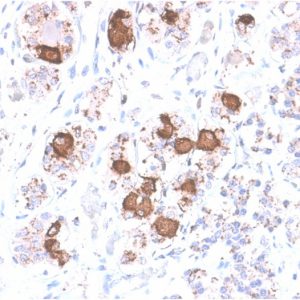
POMC Antibodies

Adrenocorticotropic hormone (ACTH), or corticotropin, is a peptide hormone primarily synthesized and secreted by the anterior pituitary gland in response to corticotropin-releasing hormone (CRH) released by the hypothalamus. The gene encoding ACTH is called pro-opiomelanocortin (POMC), and it is located on chromosome 2p23.3. The full-length precursor of ACTH, known as pro-opiomelanocortin (POMC), consists of 241 amino acids, from which ACTH is cleaved. The mature form of ACTH consists of 39 amino acids and has a molecular weight of approximately 4.5 kDa. Post-translational modifications of ACTH include phosphorylation, glycosylation, and amidation. Phosphorylation may occur at specific serine or threonine residues, while glycosylation involves the addition of carbohydrate moieties to specific amino acid residues. These modifications can influence ACTH’s stability, activity, and interaction with its receptors.

While ACTH is primarily expressed and secreted by the anterior pituitary gland, POMC mRNA and ACTH protein have also been detected in extra-pituitary tissues, including the hypothalamus, skin, and immune cells. Various factors, including hypothalamic CRH, negative feedback by cortisol, and circadian rhythms, regulate the expression of POMC and ACTH.

ACTH functions as a key regulator of the adrenal cortex by stimulating the production and release of glucocorticoid hormones, primarily cortisol, in response to stress. It binds to melanocortin receptors (MC2R) on the surface of adrenal cortical cells, activating intracellular signaling pathways that lead to the synthesis and secretion of cortisol. Cortisol, in turn, exerts diverse physiological effects, including regulation of metabolism, immune function, and stress response.

Dysregulation of ACTH secretion or signaling can lead to disorders such as Cushing’s syndrome, characterized by excess cortisol production, or Addison’s disease, characterized by adrenal insufficiency. In clinical practice, ACTH stimulation tests are used to diagnose adrenal disorders and assess adrenal function. Additionally, measuring ACTH levels in plasma or serum can aid in diagnosing and managing pituitary and adrenal disorders.

Therapeutic interventions targeting ACTH, such as monoclonal antibodies or small molecules, have been explored for conditions such as Cushing’s syndrome, where excessive ACTH production contributes to disease pathogenesis. For example, one study assessed the therapeutic efficacy of a monoclonal antibody called ALD1613 targeting ACTH and showed that the antibody, with high specificity, neutralizes ACTH-induced signaling across melanocortin receptors. In vitro studies demonstrate ALD1613’s ability to inhibit ACTH-induced cellular responses. In animal models, ALD1613 administration significantly reduces plasma corticosterone levels in a dose-dependent manner and effectively mitigates ACTH-induced stress responses.

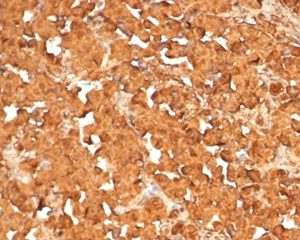
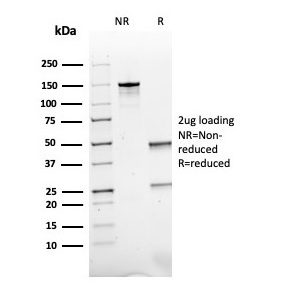
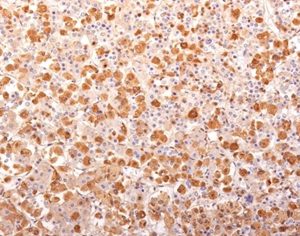
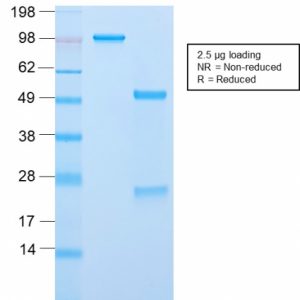
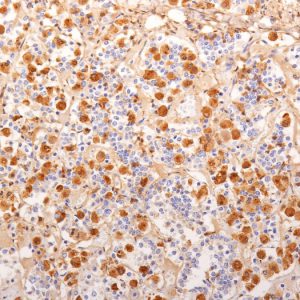
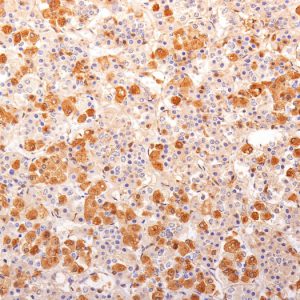
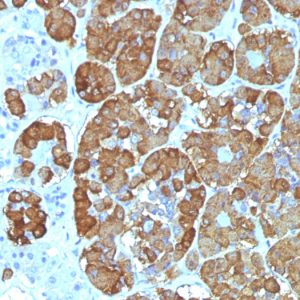
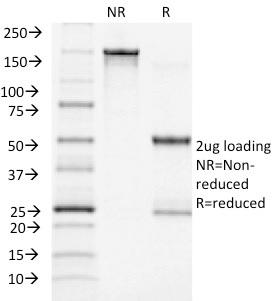
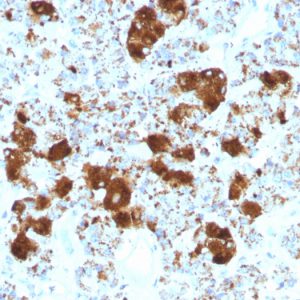
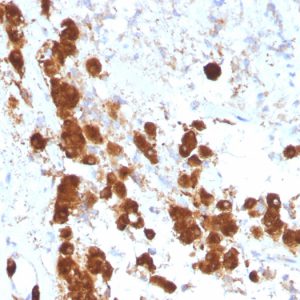
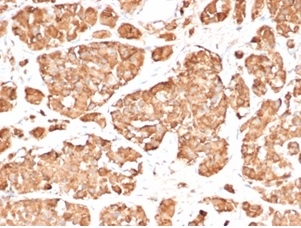
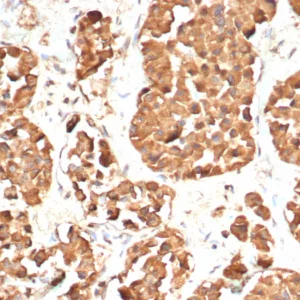
NeoBiotechnologies offers a variety of antibodies against ACTH that have been validated for ELISA, flow cytometry, immunofluorescence, and immunohistochemistry. Additionally, we hold exclusive rights to [Protein Name] antibodies available for licensing or collaboration [https://www.neobiotechnologies.com/shop/?s=ACTH].

Synonyms

Pro-opiomelanocortin, ACTH|CLIP|LPH|MSH|NPP|OBAIRH|POC

Research Areas

Apoptosis, Autophagy, Breast Cancer, Cancer, Cardiovascular, Cell Biology, Cellular Markers and Tags, Developmental Biology, Endocrine, Epigenetics, Gastrointestinal Tract, Hypoxia, Immuno Oncology, Immunology, Kidney, Lymphatic, Metabolism, Microbiology, Muscle, Neuroscience, Pancreatic Cancer, Prostate Cancer, Skin, Stem Cell, AKT Signaling, Angiogenesis, Articular Cartilage Extracellular Matrix, B Cell Markers, Basal Cell Marker, BBB VCAM-1 Signaling, Bladder Cancer, Cardiac Stem Cells, Colon Cancer, Colorectal Cancer, Complement System, CTLA-4 blockade immunotherapy, Cytokine Signaling, Defective Intrinsic Apoptosis, Dendritic Cell Marker, Digestion, Endothelial Cell Marker, Hematopoietic Stem Cells, Immune checkpoint, Infectious Disease, Lipid Metabolism, Lung Cancer, MAPK Signaling, Mast Cell Marker, Melanoma, Mesenchymal Stem Cell Differentiation, Mitochondria Marker, Neural Stem Cells, Neuroinflammation, Nuclear Marker, Oncology, Ovarian Cancer, PD-1 blockade immunotherapy, Signal Transduction, Stem Cell Differentiation, Transcription Factors

POMC

PARTNERSHIP OPPORTUNITIES

NeoBiotechnologies holds Exclusive rights to 10,000 recombinant and hybridoma antibody products, available for Licensing or Collaboration.

LETS TALK