
PARTNERSHIP OPPORTUNITIES


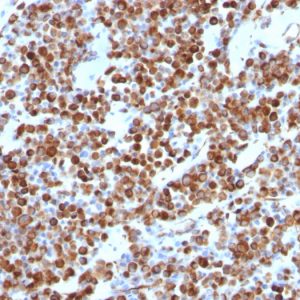
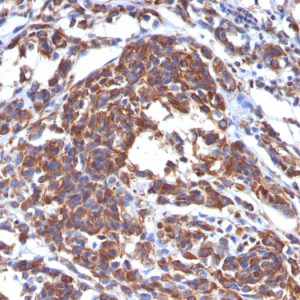
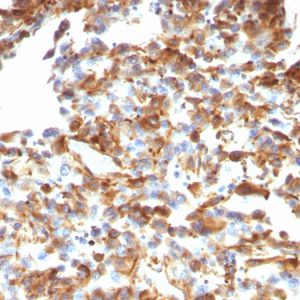
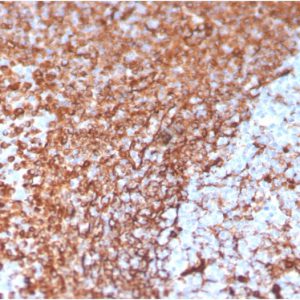
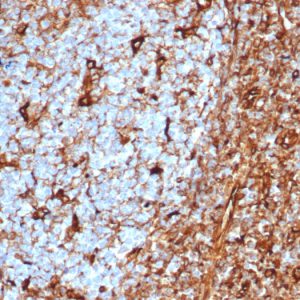
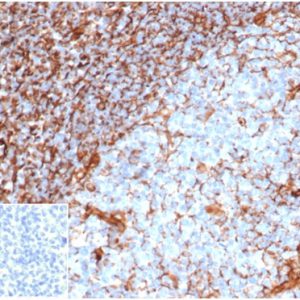
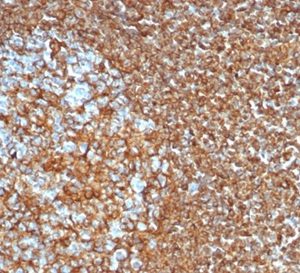
Formalin-fixed, paraffin-embedded human tonsil stained with Vimentin Recombinant Mouse Monoclonal Antibody (rVIM/6431).
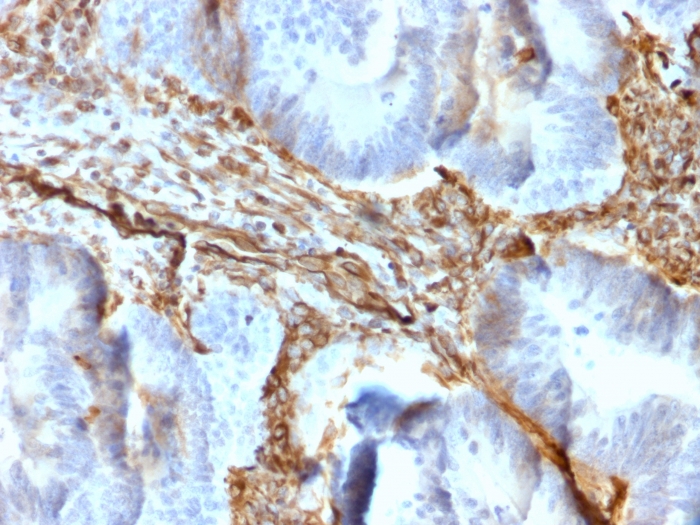
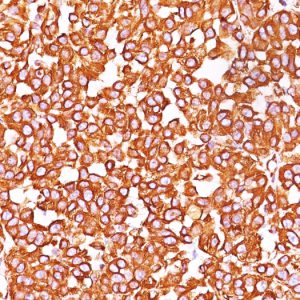
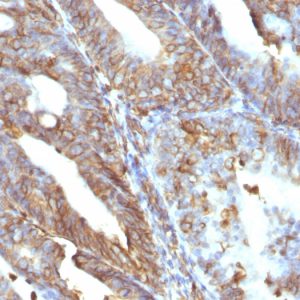
Formalin-fixed, paraffin-embedded human colon stained with Vimentin Recombinant Mouse Monoclonal Antibody (rVIM/6431).
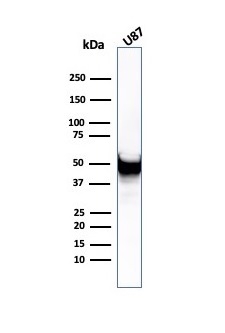
Western blot analysis of U87 cell lysate using Vimentin Recombinant Mouse Monoclonal Antibody (rVIM/6431).
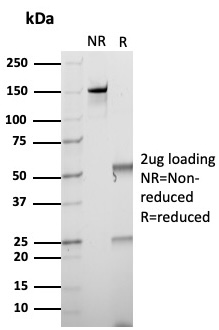
SDS-PAGE Analysis of Purified Vimentin Recombinant Mouse Monoclonal Antibody (rVIM/6431). Confirmation of Purity and Integrity of Antibody.

Analysis of HuProt™ Protein Array (21,000+ full-length human proteins) with Vimentin Mouse Monoclonal Antibody (rVIM/6431). Z-score: Signal strength (in SD above the mean) of antibody binding to each protein. S-score: Difference in Z-scores between the top target and the next best hit, indicating relative specificity. An antibody is considered specific if S ≥ 2.5. Example: Binding to protein X (Z = 43) vs protein Y (Z = 14) → S = 29.
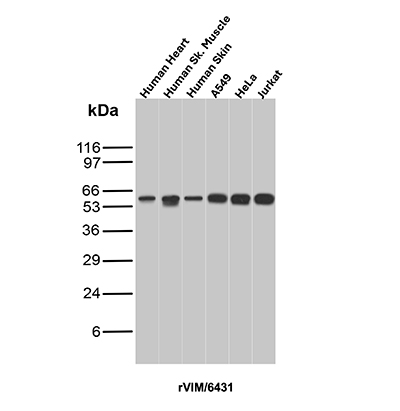
Western Blot Analysis of Human Heart, Human Skeletal muscle, Human Skin, A549, HeLa and Jurkat lysates using Vimentin Recombinant Mouse Monoclonal Antibody (rVIM/6431).
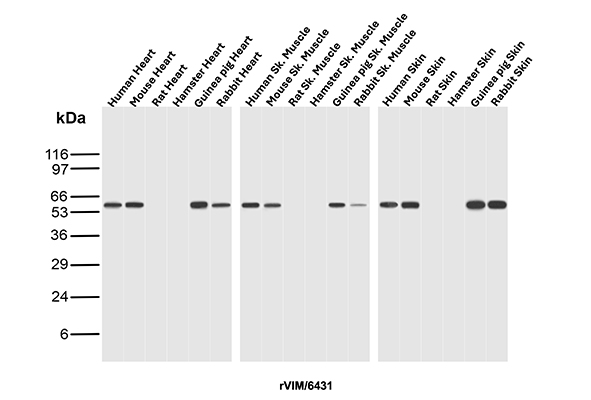
Western Blot Analysis of Heart, Skeletal muscle and Skin lysates of different species using Vimentin Recombinant Mouse Monoclonal Antibody (rVIM/6431).
This MAb reacts with a 58kDa protein identified as vimentin. It shows no cross-reaction with other closely related intermediate filament proteins (IFP s) such as desmin, keratin, neurofilament, and glial fibrillary acid protein.Anti-vimentin alone is of limited value as a diagnostic tool; however, when used in panels with other antibodies, it is useful for the sub-classification of a given tumor. Expression of vimentin, when used in conjunction with anti-keratin, is helpful when distinguishing melanomas from undifferentiated carcinomas and large cell lymphomas. All melanomas and Schwannomas react strongly with anti-vimentin. It labels a variety of mesenchymal cells, including melanocytes, lymphocytes, endothelial cells, and fibroblasts. Non-reactivity of anti-vimentin is often considered more useful than its positive reactivity, since there are a few tumors that do not contain vimentin, e.g. hepatoma and seminoma. Anti-vimentin is also useful as a tissue process control reagent.


There are no reviews yet.