
PARTNERSHIP OPPORTUNITIES


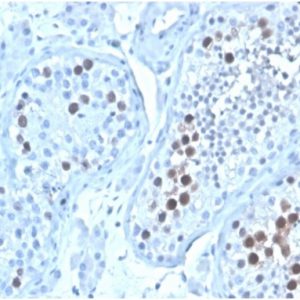
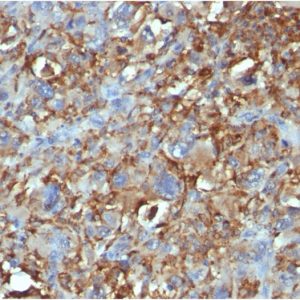
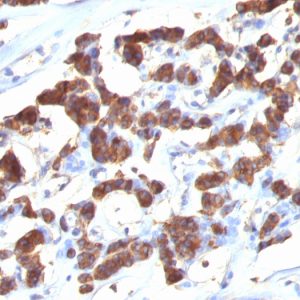
Formalin-fixed, paraffin-embedded human testis stained with Geminin Mouse Monoclonal Antibody (GMNN/3665). Inset: PBS instead of primary antibody; secondary only negative control.

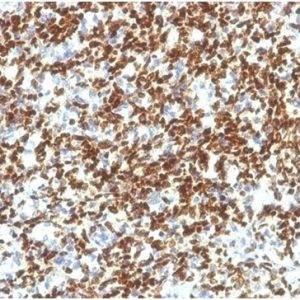
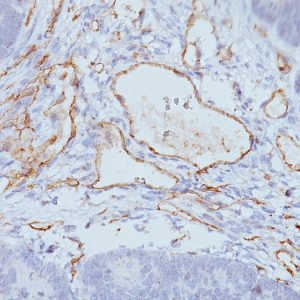
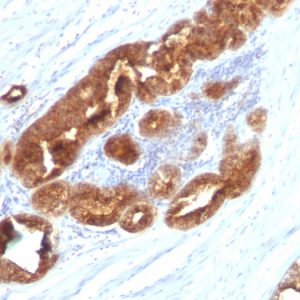
Formalin-fixed, paraffin-embedded human spleen stained with Geminin Mouse Monoclonal Antibody (GMNN/3665). HIER: Tris/EDTA, pH9.0, 45min. 2°C: HRP-polymer, 30min. DAB, 5min.

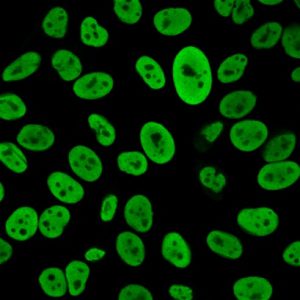
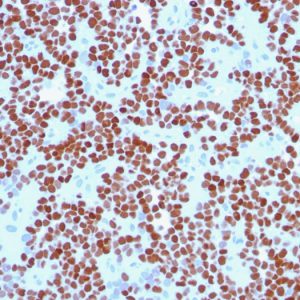
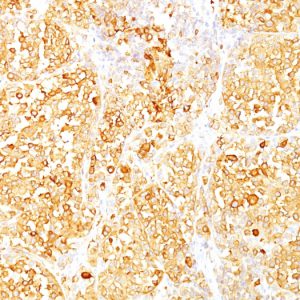
Immunofluorescence Analysis of PFA-fixed MCF7 cells stained using Geminin Mouse Monoclonal Antibody (GMNN/3665) followed by goat anti-mouse IgG-CF488 (green).

Immunofluorescence Analysis of PFA-fixed MCF7 cells stained using Geminin Mouse Monoclonal Antibody (GMNN/3665)

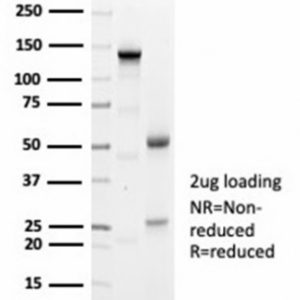
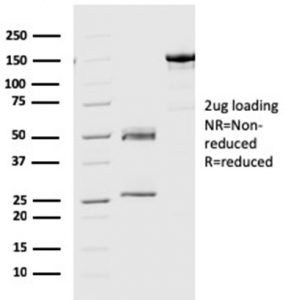
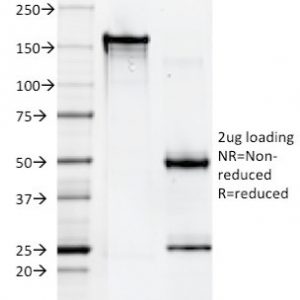
SDS-PAGE Analysis of Purified Geminin Mouse Monoclonal Antibody (GMNN/3665). Confirmation of Purity and Integrity of Antibody.
Geminin is a nuclear protein that regulates the initiation of DNA replication during the cell cycle. DNA replication requires the coordinated association of Cdc6 and minichromosome maintenance (MCM) proteins with chromatin. Geminin blocks this assembly of the MCM into the prereplication complex and, in turn, prevents replication from occurring. Expression of Geminin fluctuates throughout the cell cycle with Geminin levels lowest at G1. Throughout S, G2 and M phases, Geminin levels are consistently elevated followed by a decrease during mitosis. The initiation of DNA replication is dependent on the degradation of Geminin during mitosis and the absence of Geminin throughout G1 phase. Geminin degradation is mediated by the anaphase-promoting complex (APC), which specifically targets B-type cyclins and other proteins containing a destruction box motif for degradation by ubiquitin-mediated proteolysis. While geminin expression is essential in maintaining chromosomal integrity, it is frequently overexpressed in cancers and evidence suggests that it plays a significant role in tumor proliferation and progression.


There are no reviews yet.