

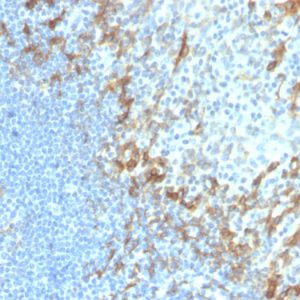
PDPN Antibodies

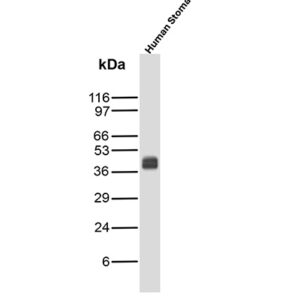
Podoplanin, encoded by the PDPN gene, is a transmembrane glycoprotein located on chromosome 1p36.13. It consists of 162 amino acids and has a molecular weight of approximately 38–40 kDa. Post-translational modifications of podoplanin include phosphorylation and glycosylation, which can influence cellular localization, function, and interactions with other molecules. Podoplanin is primarily a membrane protein but can also be found in the cytoplasm and extracellular matrix.

Podoplanin is expressed in various tissues and cell types, including lymphatic endothelial cells, kidney podocytes, fibroblasts, and certain types of cancer cells. Various factors regulate its expression, including growth factors, cytokines, and transcription factors. The function of podoplanin varies depending on the tissue context, but it is primarily known for its involvement in lymphatic vessel development, maintenance, and metastasis. 

In addition to being a lymphatic endothelial and mesothelial marker, podoplanin has been implicated in cancer progression and metastasis. High levels of podoplanin expression have been observed in numerous cancers, including squamous cell carcinoma, glioblastoma, and mesothelioma, where it is associated with tumor invasion, metastasis, and poor prognosis. Additionally, podoplanin expression has been linked to lymphangiogenesis, inflammation, and fibrosis in various pathological conditions. In this sense, podoplanin expression may serve as a diagnostic and prognostic marker in certain cancers, providing valuable information for patient management and personalized medicine approaches.

Regarding therapeutic targeting, one study created a cancer-specific monoclonal antibody (CasMab) targeting human podoplanin. Aberrantly glycosylated forms of podoplanin, including keratan sulfate or aberrant sialylation, found in LN229 glioblastoma cells were used to generate the antibody. The newly developed LpMab-2 antibody specifically recognized abnormal glycosylation patterns and a specific peptide sequence within podoplanin. Importantly, LpMab-2 demonstrated selective binding to cancer cells expressing podoplanin, as confirmed by flow cytometry and immunohistochemistry, while showing no reactivity with normal cells. These findings suggest that LpMab-2 holds promise as a molecular targeting agent for podoplanin-expressing cancers, potentially facilitating targeted therapy approaches against these malignancies.

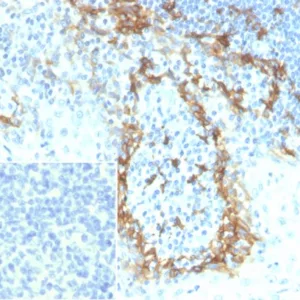
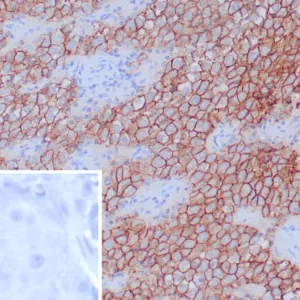
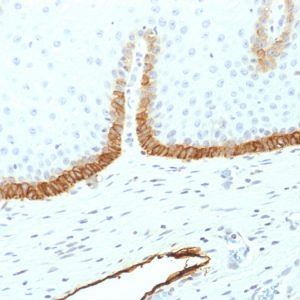
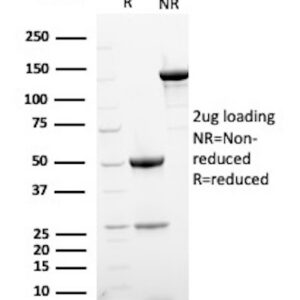
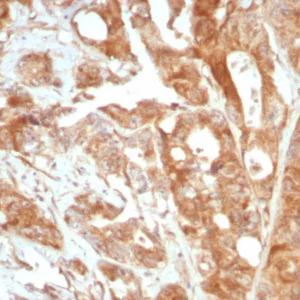
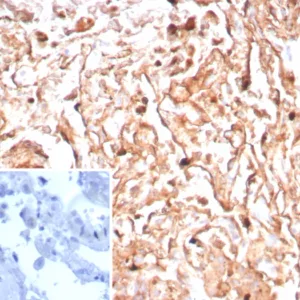
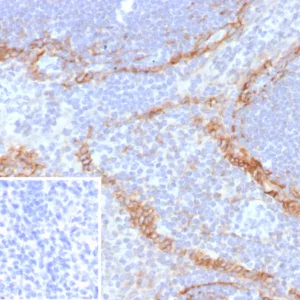
NeoBiotechnologies offers a variety of antibodies against podoplanin that have been validated for ELISA, immunofluorescence, and immunohistochemistry, as well as HuProt validated options. Additionally, we hold exclusive rights to Podoplanin antibodies available for licensing or collaboration [https://www.neobiotechnologies.com/shop/?s=podoplanin].

Synonyms

Podoplanin, AGGRUS|D2-40|GP36|GP40|Gp38|HT1A-1|OTS8|PA2.26|T1A|T1A-2|T1A2|TI1A

Research Areas

Apoptosis, Autophagy, Breast Cancer, Cancer, Cardiovascular, Cell Biology, Cellular Markers and Tags, Developmental Biology, Endocrine, Epigenetics, Gastrointestinal Tract, Hypoxia, Immuno Oncology, Immunology, Kidney, Lymphatic, Metabolism, Microbiology, Muscle, Neuroscience, Pancreatic Cancer, Prostate Cancer, Skin, Stem Cell, AKT Signaling, Angiogenesis, Articular Cartilage Extracellular Matrix, B Cell Markers, Basal Cell Marker, BBB VCAM-1 Signaling, Bladder Cancer, Cardiac Stem Cells, Colon Cancer, Colorectal Cancer, Complement System, CTLA-4 blockade immunotherapy, Cytokine Signaling, Defective Intrinsic Apoptosis, Dendritic Cell Marker, Digestion, Endothelial Cell Marker, Hematopoietic Stem Cells, Immune checkpoint, Infectious Disease, Lipid Metabolism, Lung Cancer, MAPK Signaling, Mast Cell Marker, Melanoma, Mesenchymal Stem Cell Differentiation, Mitochondria Marker, Neural Stem Cells, Neuroinflammation, Nuclear Marker, Oncology, Ovarian Cancer, PD-1 blockade immunotherapy, Signal Transduction, Stem Cell Differentiation, Transcription Factors

PDPN

PARTNERSHIP OPPORTUNITIES

NeoBiotechnologies holds Exclusive rights to 10,000 recombinant and hybridoma antibody products, available for Licensing or Collaboration.

LETS TALK