PARTNERSHIP OPPORTUNITIES


The CD15 protein, also known as FUT4 (Fucosyltransferase 4), is encoded by the FUT4 gene on chromosome 11q21. CD15 consists of 314 amino acids and has a molecular weight of approximately 37 kDa. This protein undergoes post-translational modifications, including phosphorylation, glycosylation, and the formation of disulfide bonds. The function of CD15 involves cell adhesion and signaling processes, particularly in the context of leukocyte migration and inflammation. CD15 facilitates cell-cell interactions and plays a role in mediating immune responses and host defense mechanisms.
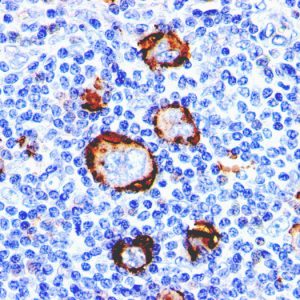
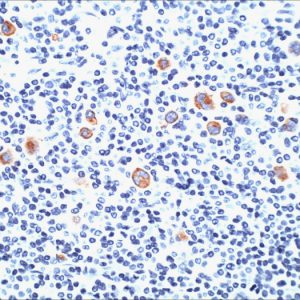
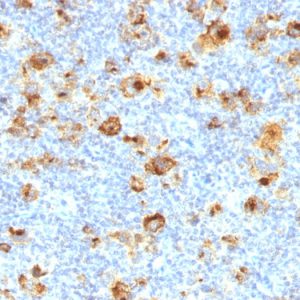
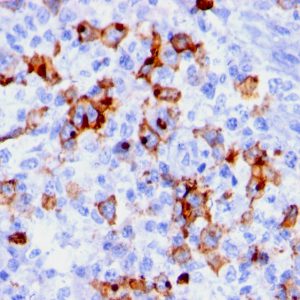
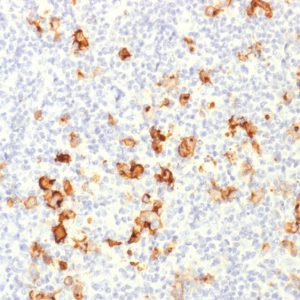
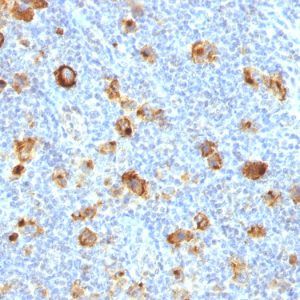
CD15 is primarily expressed on the surface of certain immune cells, such as neutrophils, monocytes, and some lymphocytes. Its expression can also be found in various tissues, including bone marrow, lymph nodes, and certain epithelial cells. Additionally, CD15 expression has been implicated in tumor progression and metastasis in certain cancers, including Reed-Sternberg cells in Hodgkin’s lymphoma. The expression of CD15 is regulated by various factors, including cytokines, growth factors, and cellular signaling pathways involved in immune activation and inflammation.
Since CD15 expression has been associated with certain disease states, including inflammatory disorders and cancer, it has emerged as a potential drug target. For example, the monoclonal antibody brentuximab vedotin, which targets CD30, has shown efficacy in treating Hodgkin’s lymphoma. Interestingly, this antibody also exhibits cross-reactivity with CD15 due to the shared expression of these antigens on Reed-Sternberg cells in Hodgkin’s lymphoma. In this sense, it is plausible that this antibody could also have therapeutic benefits in CD15-positive malignancies.
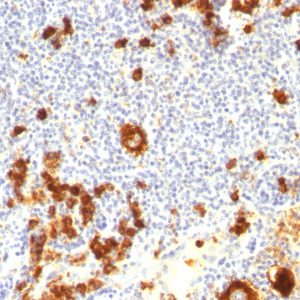
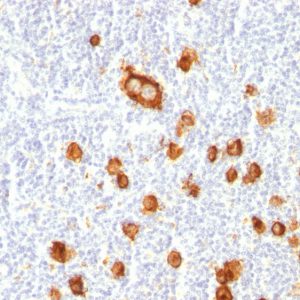
Furthermore, CD15 has been utilized as a marker for certain cell types and disease states. In the context of hematological malignancies such as Hodgkin’s lymphoma. CD15 is commonly used as a diagnostic marker in the histopathological evaluation of Hodgkin’s lymphoma, where its expression on Reed-Sternberg cells is a characteristic feature of the disease. Detection of CD15-positive Reed-Sternberg cells in lymph node biopsies helps pathologists distinguish Hodgkin’s lymphoma from other lymphoid neoplasms. Additionally, CD15 expression has been associated with specific subtypes of acute myeloid leukemia (AML) and other hematological malignancies, where its presence may have prognostic implications for disease progression and treatment response. In clinical practice, assessing CD15 expression in tumor samples is an important diagnostic tool and may aid in risk stratification and treatment planning for patients with these malignancies.
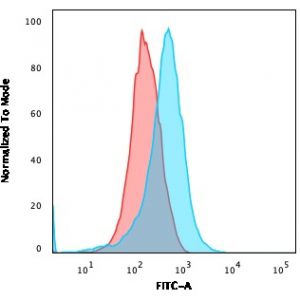
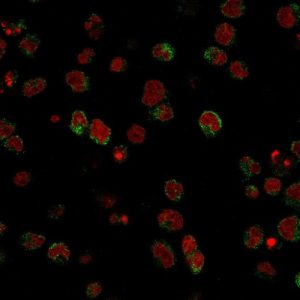
NeoBiotechnologies offers a variety of antibodies against CD15 that have been validated for flow cytometry, immunofluorescence, and immunohistochemistry. Additionally, we hold exclusive rights to CD15 antibodies available for licensing or collaboration [https://www.neobiotechnologies.com/gene-name/fut4/].
Alpha-(1,3)-fucosyltransferase 4, CD15|ELFT|FCT3A|FUC-TIV|FUTIV|LeX|SSEA-1
Apoptosis, Autophagy, Breast Cancer, Cancer, Cardiovascular, Cell Biology, Cellular Markers and Tags, Developmental Biology, Endocrine, Epigenetics, Gastrointestinal Tract, Hypoxia, Immuno Oncology, Immunology, Kidney, Lymphatic, Metabolism, Microbiology, Muscle, Neuroscience, Pancreatic Cancer, Prostate Cancer, Skin, Stem Cell, AKT Signaling, Angiogenesis, Articular Cartilage Extracellular Matrix, B Cell Markers, Basal Cell Marker, BBB VCAM-1 Signaling, Bladder Cancer, Cardiac Stem Cells, Colon Cancer, Colorectal Cancer, Complement System, CTLA-4 blockade immunotherapy, Cytokine Signaling, Defective Intrinsic Apoptosis, Dendritic Cell Marker, Digestion, Endothelial Cell Marker, Hematopoietic Stem Cells, Immune checkpoint, Infectious Disease, Lipid Metabolism, Lung Cancer, MAPK Signaling, Mast Cell Marker, Melanoma, Mesenchymal Stem Cell Differentiation, Mitochondria Marker, Neural Stem Cells, Neuroinflammation, Nuclear Marker, Oncology, Ovarian Cancer, PD-1 blockade immunotherapy, Signal Transduction, Stem Cell Differentiation, Transcription Factors
Showing all 10 results
Showing all 10 results


