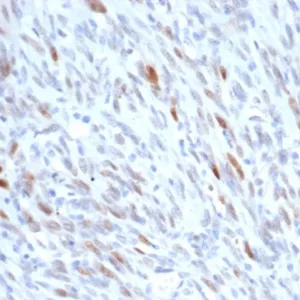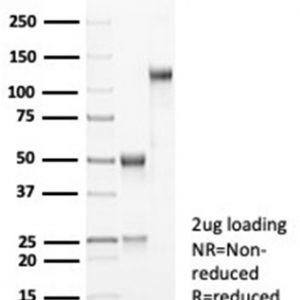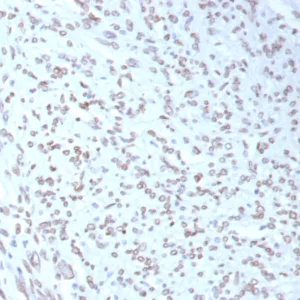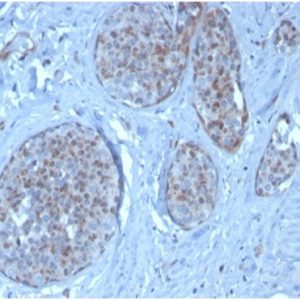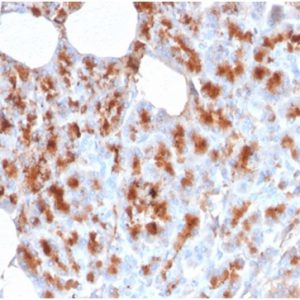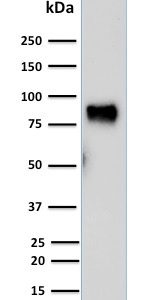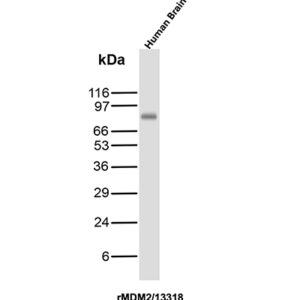


Mouse Double Minute 2 (MDM2) has a molecular weight of approximately 90 kDa. This protein is expressed in various tissues, with higher levels often found in proliferating cells. It has several functions, with its most well-known role in inhibiting p53 transcriptional activity, leading to the degradation of p53 and preventing its function as a tumor suppressor. It also has p53-independent functions, including its involvement in cell cycle regulation and apoptosis.
MDM2 is often overexpressed in various cancers, leading to the inactivation of p53 and contributing to tumorigenesis by allowing cells with damaged DNA to avoid apoptosis and continue to divide. Notably, some cancers exhibit amplification or overexpression of the Mouse Double Minute 2 gene.
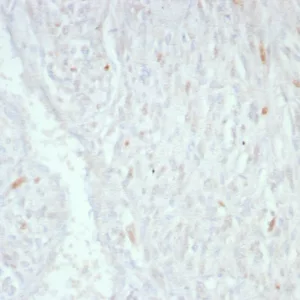
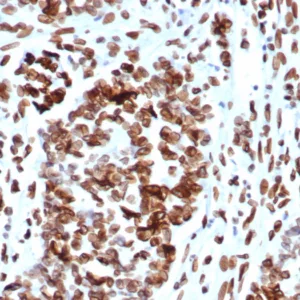
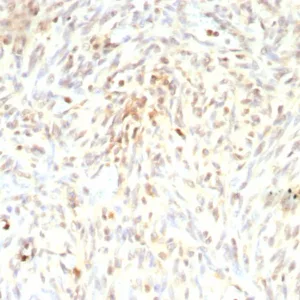
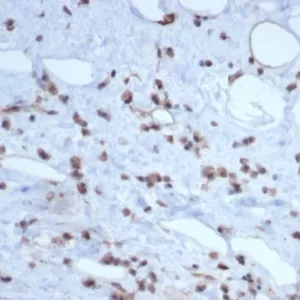
Antibodies against MDM2 are used in research to study its expression levels in cells and tissues. Immunohistochemistry and western blotting techniques employing anti-MDM2 antibodies help researchers analyze its role in cancer and other diseases.
Synonyms
E3 ubiquitin-protein ligase Mdm2, ACTFS|HDMX|LSKB|hdm2
Research Areas
Apoptosis, Autophagy, Breast Cancer, Cancer, Cardiovascular, Cell Biology, Cellular Markers and Tags, Developmental Biology, Endocrine, Epigenetics, Gastrointestinal Tract, Hypoxia, Immuno Oncology, Immunology, Kidney, Lymphatic, Metabolism, Microbiology, Muscle, Neuroscience, Pancreatic Cancer, Prostate Cancer, Skin, Stem Cell, AKT Signaling, Angiogenesis, Articular Cartilage Extracellular Matrix, B Cell Markers, Basal Cell Marker, BBB VCAM-1 Signaling, Bladder Cancer, Cardiac Stem Cells, Colon Cancer, Colorectal Cancer, Complement System, CTLA-4 blockade immunotherapy, Cytokine Signaling, Defective Intrinsic Apoptosis, Dendritic Cell Marker, Digestion, Endothelial Cell Marker, Hematopoietic Stem Cells, Immune checkpoint, Infectious Disease, Lipid Metabolism, Lung Cancer, MAPK Signaling, Mast Cell Marker, Melanoma, Mesenchymal Stem Cell Differentiation, Mitochondria Marker, Neural Stem Cells, Neuroinflammation, Nuclear Marker, Oncology, Ovarian Cancer, PD-1 blockade immunotherapy, Signal Transduction, Stem Cell Differentiation, Transcription Factors