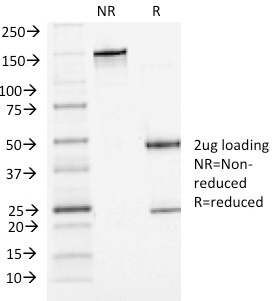
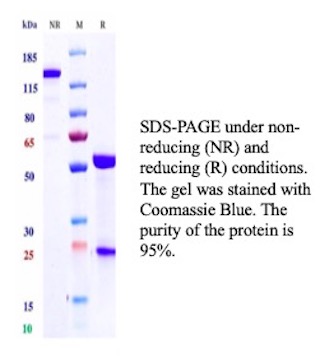
Recombinant Glucagon (Marker of Glucagonoma) Antibody [GCG/12948R]

In Stock
Catalog Number Formulation Size Price
2641-RBM7-P0
Purified Ab with BSA and Azide at 200ug/ml
20ug
$259.00
2641-RBM7-P1
Purified Ab with BSA and Azide at 200ug/ml
100ug
$559.00
2641-RBM7-P1ABX
Purified Ab WITHOUT BSA or Azide at 1.0mg/ml
100ug
$559.00
Flat Rate Domestic: $95 | Orders outside the US - Contact Us for Order Information | Ships next business day

Applications & Dilutions

Applications Tested Dillution Protocol Note
Immunohistochemistry (IHC)
1-2ug/ml
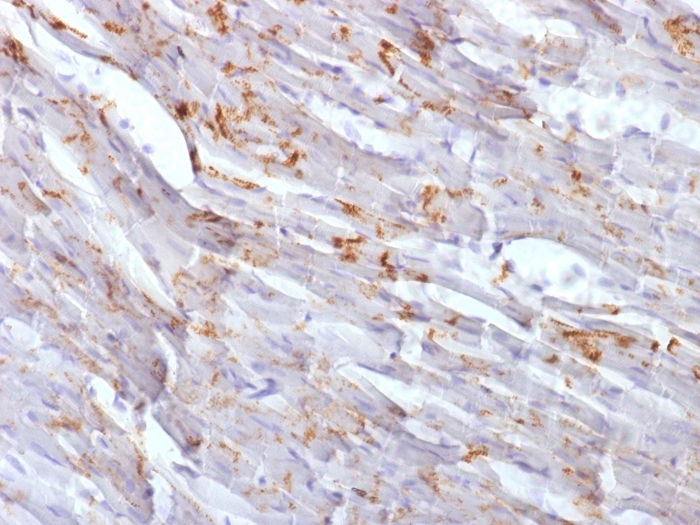
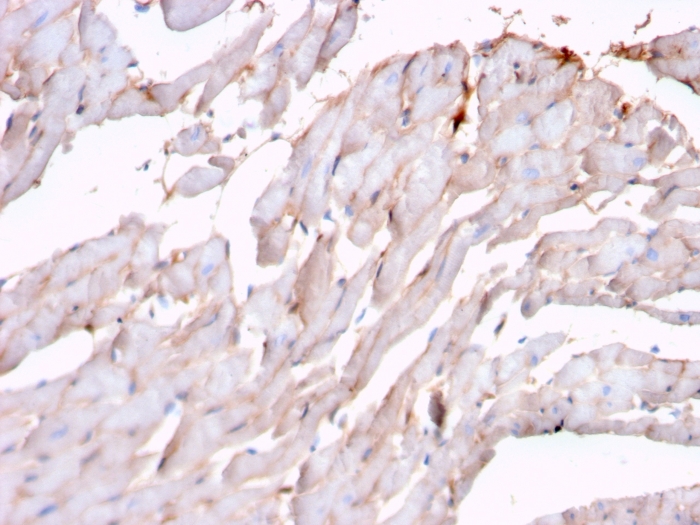
30 min at RT. Staining of formalin-fixed tissues requires heating tissue sections in 10mM Tris with 1mM EDTA, pH 9.0, for 45 min at 95°C followed by cooling at RT for 20 minutes

Summary

Glucagon is a pancreatic hormone that functions as an antagonist to Insulin, stimulating the conversion of glycogen to glucose and increasing blood sugar levels. Glucagon-like peptide-1 (GLP-1), Glucagon-like peptide-2 (GLP-2), VIP (vasoactive intestinal peptide) and PACAP (pituitary adenylate cyclase activating polypeptide) are members of the Glucagon family of hormones. GLP-1 functions as a transmitter in the central nervous system, inhibiting feeding and drinking behavior, whereas GLP-2 is a stimulator of intestinal epithelial growth. VIP causes vasodilation resulting in the lowering of blood pressure. PACAP is abundant in the hypothalamus and has been shown to increase the synthesis of several hormones, including growth hormone. Glucagon antibody detects glucagon-secreting cells and tumors such as glucagonomas, of which approximately 80% are malignant.

Product Properties & Targets

Host
Rabbit
Applications
Species Reactivity
Isotype / Light Chain
IgG / Kappa
Cellular Localization
Secreted
Gene Name
GCG
Positive Control
Human pancreas.
Immunogen
Recombinant fragment (around aa53-67) of the human Glucagon protein (exact sequence is proprietary)
Alternate Names
Pro-glucagon, GLP-1|GLP1|GLP2|GRPP

Database Links

Entrez Gene ID
SwissProt

Additional Information

Clone
GCG/12948R
Chromosome Location
2q24.2
Mol. Weight of Antigen
20.91kDa
Expression System
CHO Cells
Purification
Protein A

Functions

  • Plays a key role in glucose metabolism and homeostasis. Regulates blood glucose by increasing gluconeogenesis and decreasing glycolysis. A counterregulatory hormone of insulin, raises plasma glucose levels in response to insulin-induced hypoglycemia. Plays an important role in initiating and maintaining hyperglycemic conditions in diabetes., Potent stimulator of glucose-dependent insulin release. Also stimulates insulin release in response to IL6 (PubMed:22037645). Plays important roles on gastric motility and the suppression of plasma glucagon levels. May be involved in the suppression of satiety and stimulation of glucose disposal in peripheral tissues, independent of the actions of insulin. Has growth-promoting activities on intestinal epithelium. May also regulate the hypothalamic pituitary axis (HPA) via effects on LH, TSH, CRH, oxytocin, and vasopressin secretion. Increases islet mass through stimulation of islet neogenesis and pancreatic beta cell proliferation. Inhibits beta cell apoptosis (Probable)., Stimulates intestinal growth and up-regulates villus height in the small intestine, concomitant with increased crypt cell proliferation and decreased enterocyte apoptosis. The gastrointestinal tract, from the stomach to the colon is the principal target for GLP-2 action. Plays a key role in nutrient homeostasis, enhancing nutrient assimilation through enhanced gastrointestinal function, as well as increasing nutrient disposal. Stimulates intestinal glucose transport and decreases mucosal permeability., Significantly reduces food intake. Inhibits gastric emptying in humans. Suppression of gastric emptying may lead to increased gastric distension, which may contribute to satiety by causing a sensation of fullness., May modulate gastric acid secretion and the gastro-pyloro-duodenal activity. May play an important role in intestinal mucosal growth in the early period of life.

Storage & Stability

Antibody with azide - store at 2 to 8 °C. Antibody without azide - store at -20 to -80 °C. Antibody is stable for 24 months. Non-hazardous. No MSDS required.

Limitations

This antibody is available for research use only and is not approved for use in diagnosis.

Supplied as

200ug/ml of Ab produced in a mammalian-based expression system. Prepared in 10mM PBS with 0.05% BSA & 0.05% azide. Also available WITHOUT BSA & azide at 1.0mg/ml.

Warranty

There are no warranties, expressed or implied, which extend beyond this description. Company is not liable for any personal injury or economic loss resulting from this product.
PARTNERSHIP OPPORTUNITIES

NeoBiotechnologies holds Exclusive rights to 10,000 recombinant and hybridoma antibody products, available for Licensing or Collaboration.

LETS TALK